The Pipe Nobody Owns Until You Do: What River Forest's Sewer Scopes Actually Tell You
September 3, 2026
September 3, 2026
Somewhere around day four or five of a home inspection period in River Forest, the call comes. A plumber or inspector has run a camera down the sewer line, and there are roots in it. For a buyer who has never done this before, that sounds like a house problem. Something wrong with this particular property, on this particular block, that other buyers were smart enough to avoid.
It isn't. In River Forest, root intrusion in a clay sewer lateral shows up on the video feed of homes built in nearly every decade before the 1950s, whether the listing is priced at $500,000 or well north of a million. The finding isn't telling you about the house. It's telling you about the neighborhood.
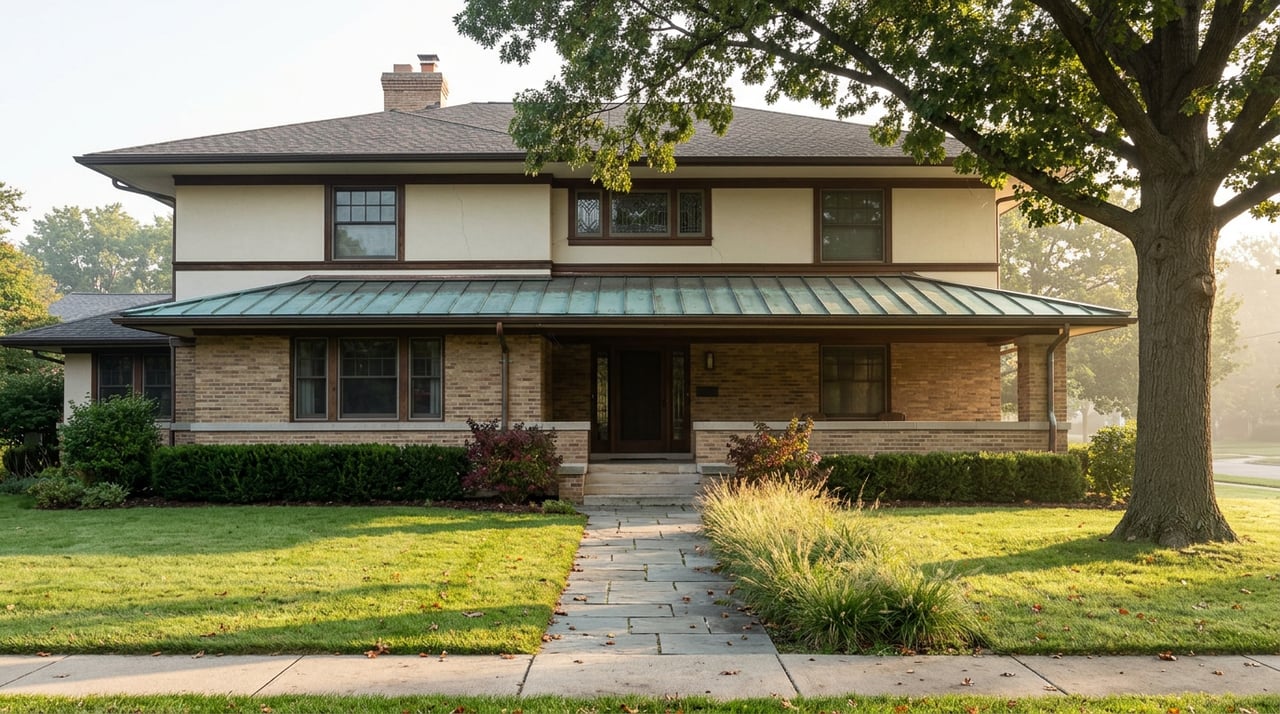
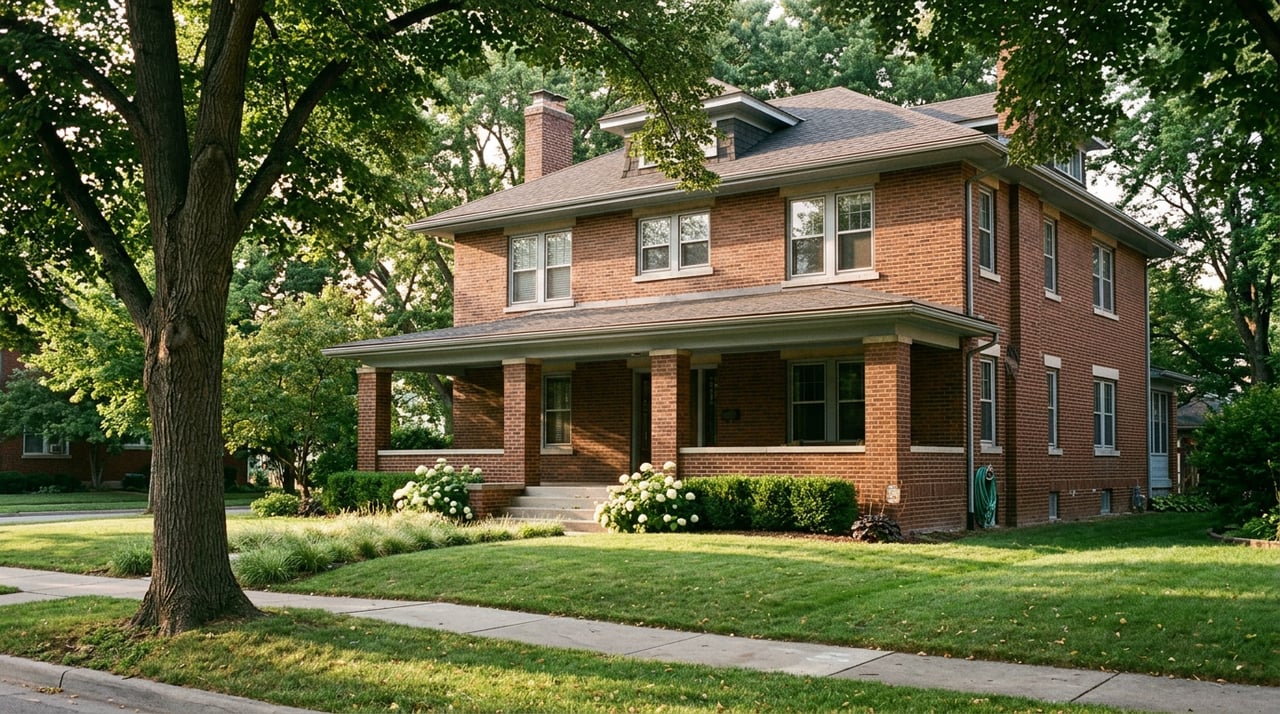
The Village of River Forest says it plainly in its own homeowner guidance on sewer repair: most of the sewer service running through the village was built with clay tile pipe. Clay tile was standard construction practice when River Forest was platted and built out in the early twentieth century, and it holds up fine on its own. What it doesn't hold up against is a mature root system looking for water, and River Forest has no shortage of those. The parkway oaks and elms that give streets like Ashland, Lathrop, Keystone, and Franklin their canopy on the north side of the village, the same trees that make the blocks north of Lake Street some of the most architecturally distinctive in the area, send roots exactly where a clay pipe joint offers the least resistance.
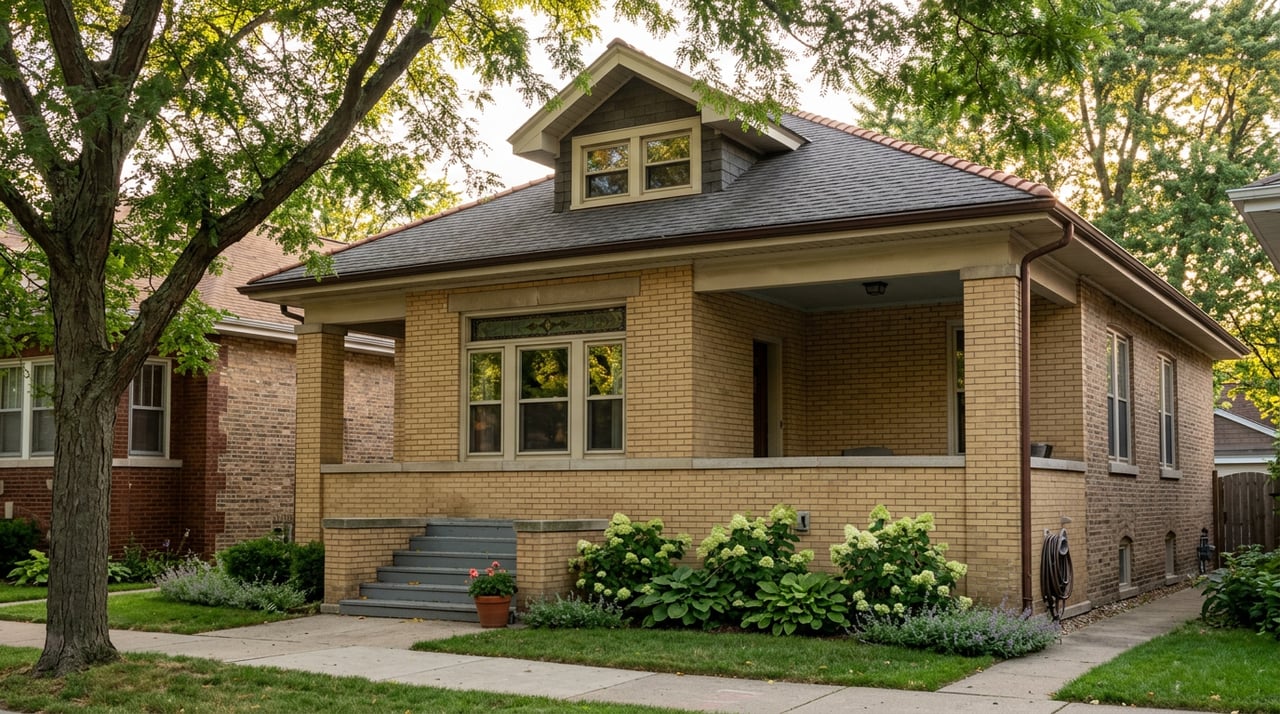
South of the Eisenhower, where the housing mix leans more mid-century, local inspectors report the same pattern showing up alongside radon testing and basement moisture checks as a routine part of due diligence. Along the Thatcher Avenue and Madison Street corridor, where restored vintage homes sit next to newer infill, and near Concordia University Chicago and Dominican University, where multi-generational family homes mix with recent updates, the story repeats. Different architectural eras, same underground pipe.
The Village's own maintenance program underscores how deliberate this pattern is. River Forest runs a five-year cyclical program for its storm drains that includes root cutting in the sewer mains, the pipes the Village owns and runs down the center of the street. That's a meaningful commitment to keeping its own infrastructure clear. It's also a commitment that stops at the property line.
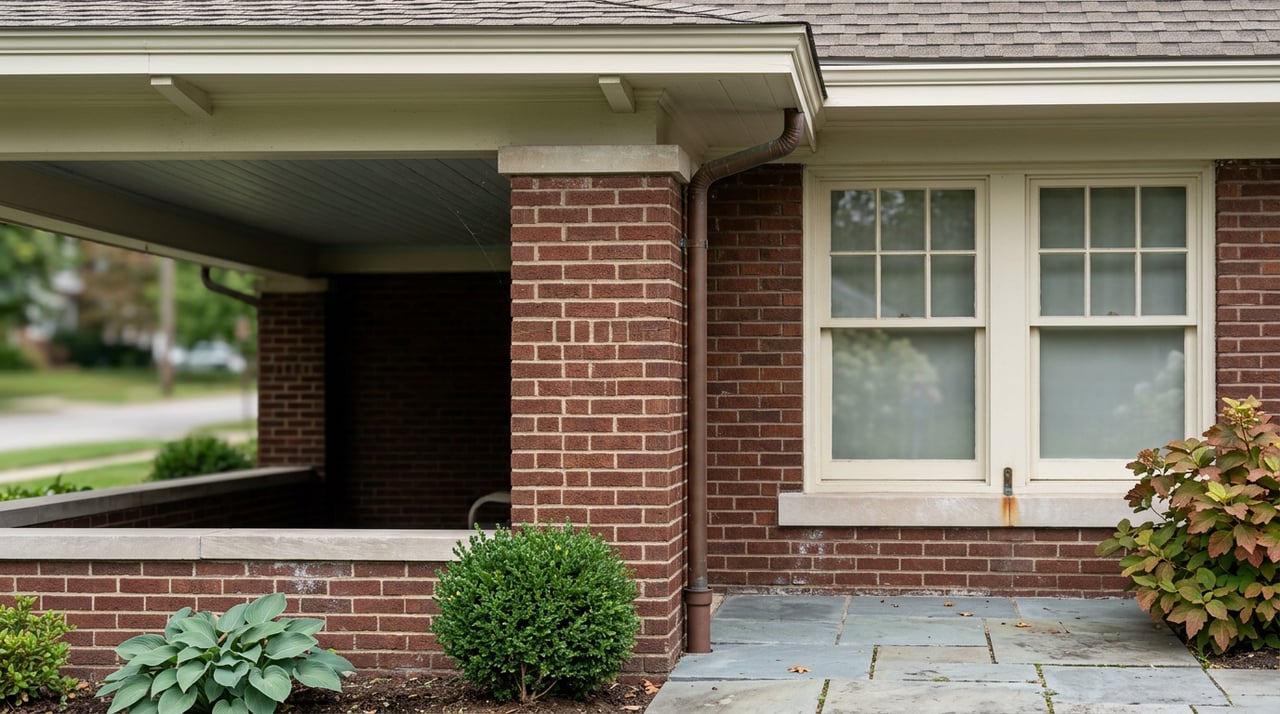
Here's the part that catches people off guard, and it's worth sitting with because it changes how you read an inspection report. The sewer lateral, the pipe that carries wastewater from your house out to the Village's main, is not the Village's responsibility. It's yours. The Village says this directly: ownership of the lateral between the building and the main belongs to the property owner, and all ongoing maintenance and general care for that pipe falls to the owner as well.
Most people assume differently, because they pay a water and sewer bill to the Village every quarter. That bill covers the water flowing in and the wastewater flowing out once it reaches the municipal main. It does not cover the sixty, eighty, or hundred feet of pipe running from your foundation to the street, the exact stretch where a century of oak roots have had time to work.
Here's how the responsibility actually breaks down:
| Pipe segment | Who owns it | Village help available |
|---|---|---|
| Sewer main (runs under the street) | Village of River Forest | Regular cleaning and camera inspection, five-year root-cutting cycle |
| Sewer lateral under private property | Homeowner | None, unless structural failure extends into the roadway |
| Sewer lateral under the roadway portion | Homeowner | Eligible for the Village's repair subsidy program |
That last row matters more than it looks.
River Forest does offer a resident assistance program to help with sewer lateral repair, and it's a real benefit worth knowing about. But the program is written narrowly, and the boundary is the key detail. It exists to help facilitate repair of structural damage to sewer laterals, and only when that damage occurs within the roadway. The Village's own guidance is explicit that the program is not intended to fund lateral repair or replacement tied to new construction projects, and it says nothing about covering the much longer stretch of pipe that runs under your own yard, your driveway, or your basement slab.
In practice, this means the segment most likely to show root intrusion, the private-side run closest to the house and its foundation plantings, is the segment the subsidy doesn't touch. If a scope finds a collapsed joint eight feet from your back porch, that's on you. If the same scope finds a break under the parkway near the curb, you may have a path to partial reimbursement, but it still requires an application, an approved contractor, permitted work, and a wait of two to four weeks after completion before any funds arrive.
If you're preparing to list a home built before the 1950s in River Forest, a pre-listing sewer scope is one of the more useful hundred-dollar decisions you can make. Camera inspections for a residential lateral typically run in the range of $250 to $600 depending on pipe length and access, and knowing what's down there before a buyer's inspector finds it gives you control over the story. You can price around a known issue, disclose it accurately, or fix it on your own timeline instead of a five-day inspection contingency.
This matters more given how quickly the market is moving. Over the three months ending in May 2026, River Forest homes sold in an average of 43 days, down from 48 days the year before, with 59 homes sold that May compared to 54 the year prior. A market moving that fast doesn't leave much room for a mid-contract scramble to get bids from three plumbers. Sellers who scope ahead of time walk into negotiations with facts instead of guesses.
If your inspector comes back with root intrusion in the lateral, that finding by itself is not a reason to walk from a River Forest home. Given how common clay tile construction and mature tree canopy are across the village, from the grand north side lots to the more modestly scaled homes south of the Eisenhower, a clean scope on a pre-war property is closer to the exception than the rule. Treat the finding as a line item to negotiate, not a verdict on the house.
What's worth asking, specifically, is where the intrusion sits. A finding near the curb might qualify for the Village's subsidy program if repairs cross into the roadway. A finding under the yard or foundation won't, and that's the number to bring into your repair request or price conversation. With the three-month median sale price at $670,000 as of May 2026, a repair in the low thousands is a rounding error against the purchase, but it's still a real number, and it's one you can put on the table before you're the one who owns the pipe.
Does every River Forest home need a sewer scope? Not every home, but any home built before the postwar era, or any home with mature trees within twenty or thirty feet of the lateral run, is a strong candidate. Given how much of the village fits that description, it's a reasonable default rather than an upgrade.
Will the Village pay to fix a root intrusion problem? Only if the damage is structural and located within the roadway portion of the lateral. The much more common private-side intrusion falls entirely to the owner.
How fast can this get resolved once it's found? The camera inspection itself takes an afternoon. Repair timelines depend on whether the fix is a root cutting and clearing, which can happen quickly, or a full section replacement, which involves permitting and, if you're pursuing the Village subsidy, a reimbursement process that runs several weeks after the work is done and inspected.
A sewer scope is one small piece of a much larger picture when you're buying or selling in River Forest, but it's the piece most likely to arrive as a surprise if nobody has explained the mechanics ahead of time. Knowing where the Village's responsibility ends and yours begins turns a startling phone call into a manageable line item, whether you're the one selling the house or the one about to own that pipe.
If you're weighing a purchase or preparing to list a home in River Forest, Dalton Home Collective can walk you through what a specific property's age, lot, and inspection history are likely to mean before you're locked into a timeline. Schedule a consultation and bring your questions, pipes included.
Stay up to date on the latest real estate trends.

Things To Do
We love helping buyers find “the one,” offering guidance on potential resale value or remodeling ideas, and helping sellers stage their homes to make a great first impression.